
- November 5, 2025
- Posted by: admin
- Category: Attractions

Nottingham Castle stands as one of England’s most historically significant royal fortresses, perched dramatically on a sandstone outcrop overlooking the city of Nottingham. Built in 1068 by order of William the Conqueror, this Norman stronghold served as a crucial royal castle for over six hundred years, controlling the vital River Trent crossing and serving as a base for monarchs throughout the medieval period.
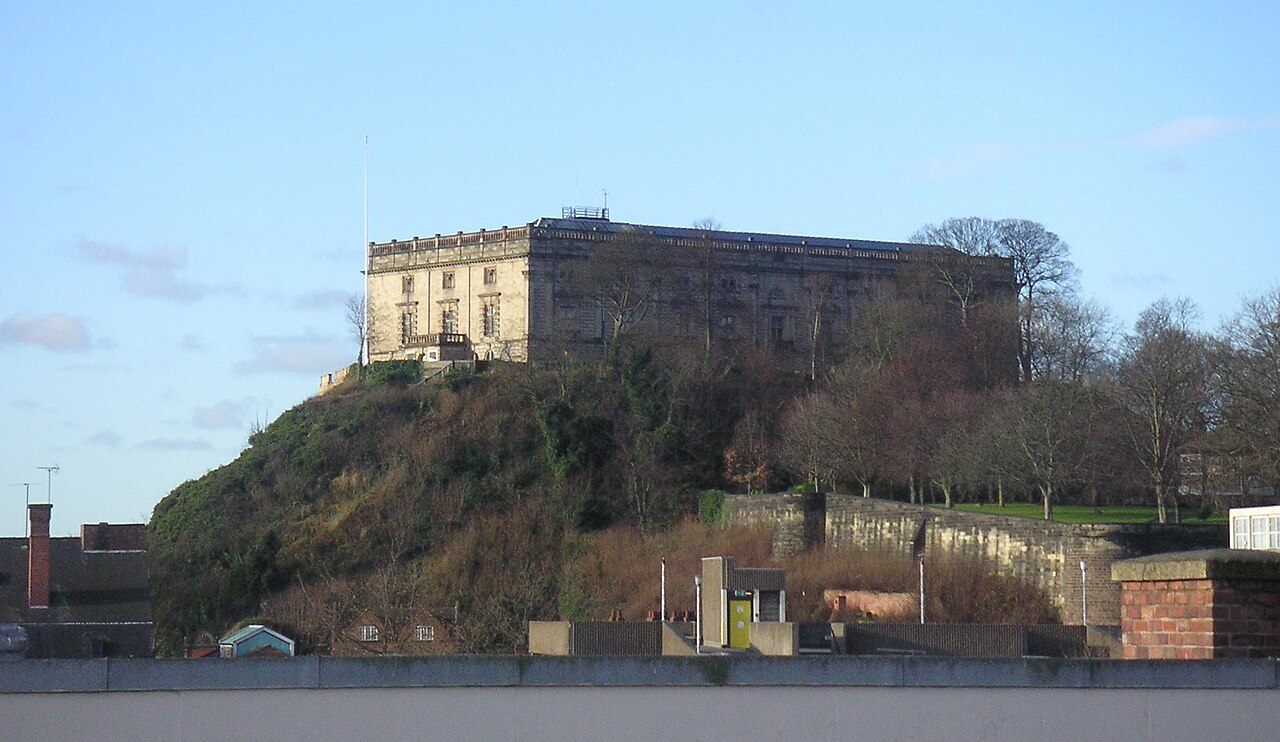
The castle’s rich heritage extends far beyond its military importance, intertwining with the legendary tales of Robin Hood and playing pivotal roles in English history, from medieval rebellions to the Civil War. Today’s visitors can explore this fascinating blend of history and legend through carefully curated exhibitions that bring the past to life.
Modern Nottingham Castle offers an engaging experience that combines historical discovery with contemporary museum displays. From underground cave networks carved into the sandstone to art galleries housing impressive collections, the castle provides insights into both local heritage and the broader cultural significance of this remarkable site.
Nottingham Castle Through History

Nottingham Castle served as one of England’s most significant royal fortresses for over 600 years, transforming from a wooden Norman fort into a stone stronghold that shaped medieval politics. The castle’s strategic position above the River Trent made it a vital centre of royal power until civil war brought destruction and eventual reconstruction as a ducal mansion.
Origins and Construction
William the Conqueror ordered Nottingham Castle’s construction in 1068 as part of his Norman conquest of England. The original structure was a wooden motte-and-bailey fort built on a sandstone outcrop overlooking the town of Nottingham.
The castle’s location proved strategically vital. It commanded views across the River Trent and controlled the important bridge crossing. This position allowed Norman forces to monitor and control movement through the Midlands.
By the 13th century, the wooden fortifications had been replaced with stone. The impressive gatehouse was completed between 1252 and 1255 during Henry III’s reign. These improvements transformed Nottingham Castle into one of England’s four principal royal castles.
The stone castle featured typical medieval defensive elements. High walls surrounded the inner courtyard, whilst the natural rock provided additional protection. Underground caves carved into the sandstone served as storage areas and escape routes.
Role in Medieval England
Nottingham Castle became a crucial centre of royal power in medieval England. Kings regularly used it as both a military stronghold and royal residence. The castle’s position guarding the River Trent crossing made it an essential base for controlling the Midlands.
Henry II significantly expanded the castle in the late 12th century. He recognised its importance for projecting royal authority across central England. The castle served as a convenient stopping point for monarchs travelling between London and the north.
Key Medieval Features:
- Royal apartments and great hall
- Strong defensive walls and towers
- Underground cave network
- Strategic river crossing control
Several important historical events unfolded at Nottingham Castle. Royal councils met within its walls to make crucial decisions. The castle also housed prisoners and served as a treasury for royal wealth.
The fortress remained actively used by English monarchs until the early 16th century. However, by Henry VIII’s reign, military technology had advanced beyond medieval castle defences.
Civil War and Restoration
Nottingham Castle’s fortunes declined dramatically during the 16th and 17th centuries. James I allowed the medieval structure to fall into serious disrepair between 1603 and 1625. The once-mighty fortress became increasingly neglected.
The English Civil War brought further destruction to the castle. Parliamentary forces deliberately demolished most of the original medieval buildings after the conflict ended. Only the outer walls and gates survived this systematic destruction.
Following the Stuart Restoration, the 1st Duke of Newcastle rebuilt the site completely. Construction began in the 1670s on a grand ducal mansion rather than a military fortress. This new building occupied the same elevated position but served purely residential purposes.
The Georgian mansion represented fashionable 17th-century architecture. Large windows replaced defensive arrow slits, whilst elegant rooms took the place of military quarters. The building reflected the duke’s wealth and social status rather than defensive needs.
Modern Renovations
Nottingham Castle underwent extensive restoration between 1560 and 1570, though this proved temporary. The building suffered significant fire damage in 1831 during social unrest. Rioters nearly destroyed the entire structure during these disturbances.
Edward VII officially reopened the castle in 1878 as Nottingham Castle Museum. This marked its transformation from royal residence to public attraction. The museum showcased local history and art collections for visitors.
Recent Development Timeline:
- 1878: Opened as public museum
- 2018-2021: Major redevelopment closure
- 2021: Reopened to public
The castle closed again between 2018 and 2021 for comprehensive modernisation. These works improved visitor facilities and conservation of historical features. The building now combines its rich history with contemporary museum standards.
Today’s visitors can explore both the mansion and remaining medieval features. The underground cave tours prove particularly popular, revealing the sandstone tunnels carved centuries ago.
Legend and Folklore of Robin Hood
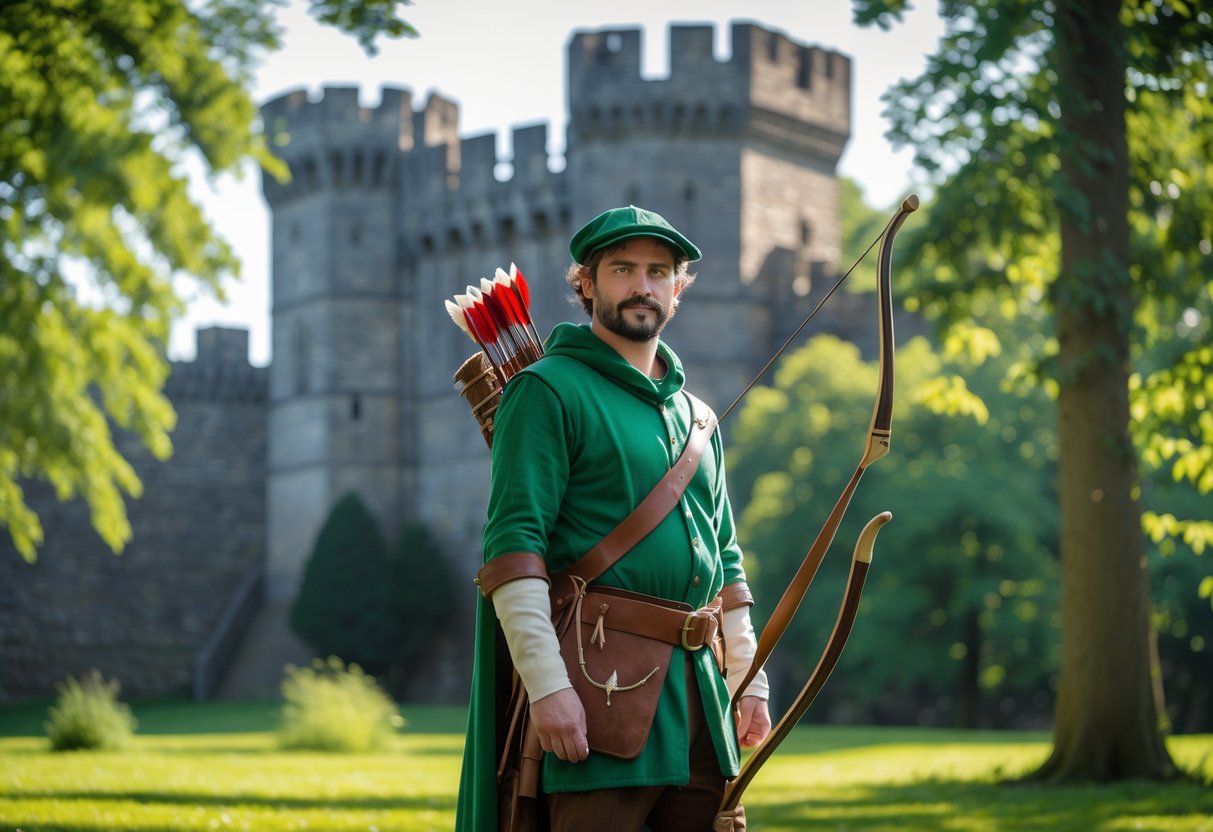 Nottingham Castle sits at the heart of England’s most enduring legend, where the tale of Robin Hood blends historical intrigue with timeless folklore. The castle’s connection to the famous outlaw encompasses centuries of storytelling, royal conflict, and modern interactive experiences that bring the legend to life.
Robin Hood Connections
The legend of Robin Hood remains deeply woven into Nottingham Castle’s identity. The castle served as the stronghold of the Sheriff of Nottingham, Robin Hood’s primary antagonist in countless tales and ballads.
According to folklore, Robin Hood operated from nearby Sherwood Forest during the late 12th and early 13th centuries. The outlaw and his Merry Men regularly clashed with the Sheriff, who represented royal authority from within the castle walls.
The castle’s strategic position made it the perfect base for the Sheriff’s operations. From here, he could control the surrounding countryside and pursue Robin Hood through Sherwood Forest.
Key elements of the Robin Hood legend include:
- Stealing from the rich to give to the poor
- Living as an outlaw in Sherwood Forest
- Fighting against the corrupt Sheriff of Nottingham
- Remaining loyal to King Richard whilst opposing King John
The legend portrays Robin Hood as a symbol of justice and hope. His defiance of tyranny continues to inspire new generations of visitors to Nottingham Castle.
Rebellion and Royal Intrigue
The Robin Hood legend intertwines with real historical conflicts surrounding Nottingham Castle. The tales often depict Robin Hood supporting the rightful King Richard against his brother John’s attempts to usurp the throne.
This political backdrop reflects genuine medieval tensions. Nottingham Castle frequently changed hands during periods of civil unrest and royal succession disputes.
The Sheriff of Nottingham, as depicted in folklore, represents corrupt authority and abuse of power. Historical records show that sheriffs wielded considerable local influence and sometimes acted against the interests of common people.
Historical context includes:
- Norman conquest and Anglo-Saxon resistance
- Conflicts between King Richard and Prince John
- Medieval social tensions between nobility and peasantry
- The role of sheriffs in medieval governance
The legend suggests Robin Hood fought for traditional English values against Norman oppression. This theme resonated strongly with medieval audiences and continues to appeal to modern visitors exploring the castle’s history.
Immersive Displays & Interactive Experiences
Nottingham Castle now features Robin Hood Adventures, a major attraction that brings the legend to life through modern technology. These immersive displays allow visitors to experience the medieval world of Robin Hood firsthand.
The interactive experiences include archery demonstrations and medieval storytelling sessions. Visitors can explore reconstructed scenes from the legend and learn about both mythical and historical aspects of Robin Hood’s story.
Current attractions feature:
- Multimedia presentations about Robin Hood’s legend
- Interactive displays showing medieval castle life
- Educational exhibits connecting folklore to historical facts
- Family-friendly activities inspired by the outlaw tales
The castle’s transformation into a centre for art, history, and education includes dedicated spaces for Robin Hood folklore. These modern interpretations help preserve the legend whilst making it accessible to contemporary audiences.
Visitors can explore how the Robin Hood story has evolved over centuries. The displays show connections between medieval ballads, Victorian literature, and modern film adaptations of the enduring tale.
Galleries, Exhibitions, and Art Collections
Nottingham Castle houses several specialised galleries that showcase diverse collections ranging from local crafts and military history to fine art and decorative pieces. The galleries feature both permanent displays and rotating exhibitions that highlight the cultural heritage of Nottingham and beyond.
Nottingham Lace Gallery
The Nottingham Lace Gallery celebrates the city’s famous textile industry that made Nottingham a global centre for lace production. The gallery displays examples of intricate lacework that demonstrate the skill and artistry of local craftspeople.
Visitors can explore the history of lace-making in Nottingham through detailed exhibits. The collection shows how the industry developed over centuries. Interactive displays help explain the complex processes used to create these delicate fabrics.
The gallery features both machine-made and hand-crafted pieces. Many examples show the different styles and patterns that made Nottingham lace famous worldwide. The collection includes clothing, household items, and decorative pieces that showcase the versatility of lace.
Craft Gallery
The Craft Gallery focuses on traditional and contemporary craftsmanship from Nottingham and surrounding areas. The space highlights various forms of decorative and applied arts that reflect local cultural traditions.
Exhibitions in this gallery change regularly to feature different craft disciplines. Visitors might see ceramics, textiles, woodwork, or metalwork depending on current displays. The gallery often features work by local artists and craftspeople.
The collection demonstrates how traditional craft techniques continue to evolve. Modern interpretations of historical methods show the ongoing relevance of these skills. The gallery provides context about the role of crafts in Nottingham’s cultural identity.
Long Gallery
The Long Gallery serves as the main art exhibition space within Nottingham Castle. This gallery showcases highlights from the museum’s extensive art collections, including paintings, sculpture, drawings, ceramics, textiles, and jewellery.
The collection is organised around six themes that have inspired artists for centuries. These themes help visitors understand connections between different artworks and time periods. The open-plan design allows for flexible exhibition arrangements.
Recent displays have included Impressionist paintings on loan from international collections. The gallery regularly refreshes its offerings to provide new experiences for returning visitors. Both historical and contemporary works feature in the rotating exhibitions.
The space combines fine art with decorative arts to show the full range of artistic expression. Visitors can see how different materials and techniques create varied artistic effects.
Museum of the Mercian Regiment
The Museum of the Mercian Regiment preserves and displays the military history of this important British Army regiment. The collection includes uniforms, weapons, medals, and personal items that tell the story of the regiment’s service.
Interactive exhibits help visitors understand military life and the experiences of soldiers. The museum covers the regiment’s involvement in various conflicts and peacekeeping missions. Personal stories and testimonials add human context to the historical displays.
The collection includes items from different time periods of the regiment’s history. Weapons and equipment show how military technology has changed over time. The museum honours the service and sacrifice of regiment members through carefully curated displays.
Museum, Grounds, and Caves
Nottingham Castle combines a museum housed in a ducal palace with extensive grounds and unique underground cave tours. The site offers visitors access to historical exhibits, award-winning gardens, and medieval caves carved into the castle rock.
Museum & Grounds Overview
The museum sits inside the Ducal Palace, which replaced the original medieval castle. This building once belonged to the Dukes of Newcastle and now houses multiple galleries and exhibitions.
Visitors can explore several distinct areas within the museum. The Nottingham Lace Gallery showcases the city’s textile heritage. The Long Gallery contains museum and art collections spanning centuries.
The Craft Gallery displays local artisan work. The Museum of the Mercian Regiment covers military history. The Rebellion Gallery tells stories of local uprisings and resistance.
An immersive Robin Hood experience runs throughout the castle grounds and palace rooms. This attraction starts in a ground-level extension and uses interactive elements to bring the legend to life.
The museum ticket covers both indoor galleries and outdoor grounds access. Standard admission allows visitors to spend a full day exploring all areas except the caves, which require separate tickets.
Castle Caves and Cave Tours
Underground caves snake through Castle Rock beneath the castle. These medieval caves include former dungeons and wine cellars carved directly into the rock face.
Cave tours run four times daily and cost £8 per person. Carers receive free entry with each paid ticket. Tours operate hourly from 11am throughout the year.
The Underground Adventure Tour explores the foundations of the medieval castle. Visitors can see Mortimer’s Hole and King David’s Dungeon, though cave availability depends on daily conditions.
Tours last approximately one hour and cover the caves’ history as storage areas, hideouts, and prison cells. The caves maintain a cool temperature year-round, so visitors should dress warmly.
Booking is recommended as tours have limited capacity. Tickets can be purchased online in advance or at the visitor centre on arrival, subject to availability.
Gardens and Outdoor Spaces
The castle grounds feature award-winning flower displays and landscaped gardens. Visitors enter through the medieval gatehouse past the famous Robin Hood statue.
The grounds provide excellent views over Nottingham city centre. Multiple vantage points offer photo opportunities of the surrounding landscape and urban skyline.
The Explore Train operates throughout the castle grounds for visitors with mobility needs. This service connects different areas of the site and includes historical commentary.
Graphic panels and viewing frames help visitors understand the medieval castle layout. These installations show where original structures once stood before demolition in 1651.
The outdoor spaces include seating areas, pathways suitable for wheelchairs, and several cafés for refreshments. The grounds remain accessible during museum opening hours with standard admission tickets.
Visitor Experience and Facilities
Nottingham Castle offers modern facilities through its visitor centre, including dining, shopping, and ticketing services. The castle provides excellent value with annual passes and free admission for children.
Visitor Centre Services
The visitor centre serves as the main hub for all castle activities. Visitors can purchase admission tickets here or buy them online in advance.
Annual Pass Benefits:
- Adults pay £15 for year-round access
- Up to 3 children (15 years and under) go free with each paying adult
- Multiple visits throughout the year included
The centre features baby changing facilities and accessible toilets. Staff provide information about daily activities and cave tours. Digital interactive games keep children engaged during their visit.
Carer tickets are available free with each paid admission. Visitors must bring suitable proof of carer status when purchasing tickets.
Café and Dining Options
The on-site café offers both light snacks and substantial meals throughout the day. Indoor and outdoor seating areas provide views across the castle grounds.
Menu options include:
- Light refreshments and beverages
- Hot meals for lunch
- Children’s menu items
- Seasonal specialities
The café serves as a convenient rest stop during castle exploration. Outdoor seating areas offer scenic views over Nottingham city.
Opening times align with castle visiting hours. The café accommodates families with pushchairs and provides highchairs for young children.
Shop and Souvenirs
The castle shop stocks a wide range of Robin Hood themed merchandise and local gifts. Visitors find historical books, toys, and clothing related to Nottingham’s heritage.
Popular items include:
- Robin Hood costumes and accessories
- Local history books and guides
- Traditional British sweets and treats
- Nottingham-themed gifts and postcards
Children particularly enjoy the medieval dress-up items and replica weapons. The shop supports the castle’s educational mission through historically accurate products.
Gift vouchers are available for future visits. Staff can arrange shipping for larger purchases or international visitors.
Access and Getting Here
Nottingham Castle sits on high rock formations, commanding views over the city centre. The location makes it easily accessible by public transport and car.
Transport Options:
- Regular bus services from Nottingham city centre
- On-street parking available nearby
- Walking distance from Nottingham railway station
- Cycle parking facilities on-site
The visitor centre provides step-free access for wheelchair users. Accessible toilets and baby changing facilities accommodate families with young children.
Clear signage throughout the grounds helps visitors navigate between different areas. The cave tours require moderate walking ability due to uneven surfaces underground.
Frequently Asked Questions
Visitors often have practical questions about planning their trip to Nottingham Castle. These common queries cover opening times, historical significance, hands-on activities, tour options, accessibility features, and photography policies.
What are the visiting hours for the historical site?
Nottingham Castle typically operates with seasonal opening hours that vary throughout the year. Visitors should check the official website or contact the castle directly before their visit to confirm current opening times.
The museum and grounds may have different schedules during holidays and special events. Advanced booking is often recommended, particularly during peak tourist seasons.
What notable historical events occurred at the Castle?
The original Norman castle was built starting in 1068 and served as an important royal fortress throughout the medieval period. It functioned as an occasional royal residence and played a significant role in English history.
The original castle fell into decline by the 16th century. After the English Civil War, the medieval structure was demolished except for the walls and gates.
The current building is a Stuart Restoration-era ducal mansion constructed on the historic site. This 17th-century structure replaced the medieval fortress and represents a different architectural period.
Can visitors participate in any interactive exhibitions?
Robin Hood Adventures offers interactive experiences where visitors can relive the legendary outlaw’s most famous exploits. The exhibition includes electronic combat activities using bows and quarterstaffs in a safe, controlled environment.
Hood’s Hideout features a medieval-themed adventure playground designed for children of all ages. This outdoor area provides hands-on activities and discovery opportunities throughout the year.
The castle’s various galleries include interactive elements that engage visitors with Nottingham’s history and heritage.
Are there guided tours available and how can one book them?
Guided tours may be available at Nottingham Castle, though specific details vary by season and availability. Visitors should contact the castle directly or visit the official website to enquire about current tour offerings.
Booking procedures and tour schedules can change throughout the year. Advanced reservation is typically recommended to secure preferred dates and times.
What facilities are available for guests with disabilities?
The castle strives to provide accessible facilities for visitors with disabilities, though specific accommodations should be confirmed before arrival. The site includes various levels and outdoor areas that may present different accessibility challenges.
Visitors with specific accessibility needs should contact Nottingham Castle directly to discuss available facilities and services. This ensures proper arrangements can be made for a comfortable visit.
Are there any restrictions on photography within the premises?
Photography policies at Nottingham Castle may vary between different areas of the site and exhibitions. Some galleries or special exhibitions might have specific restrictions on flash photography or filming.
Visitors should check with staff upon arrival or review posted signage throughout the castle for current photography guidelines. Commercial photography typically requires advance permission and may involve additional fees.
Travel in Comfort with Skylift Cars
Make the most of your time in Nottingham without the stress of transport. Skylift Cars offers:
Local taxi services in Nottingham
Airport transfers
Reliable chauffeur services for events and business trips
📧 Email: info@skyliftcars.co.uk
📞 Phone: 0115 990 2786