
- August 19, 2025
- Posted by: admin
- Category: Attractions

Beneath Nottingham’s busy streets lies an extraordinary underground world that most visitors never discover. The City of Caves contains over 800 man-made sandstone caves that represent the UK’s largest network of artificial caves, with centuries of fascinating history carved into their walls. These remarkable chambers served as homes, workshops, air raid shelters, and even housed the country’s only cave tannery.
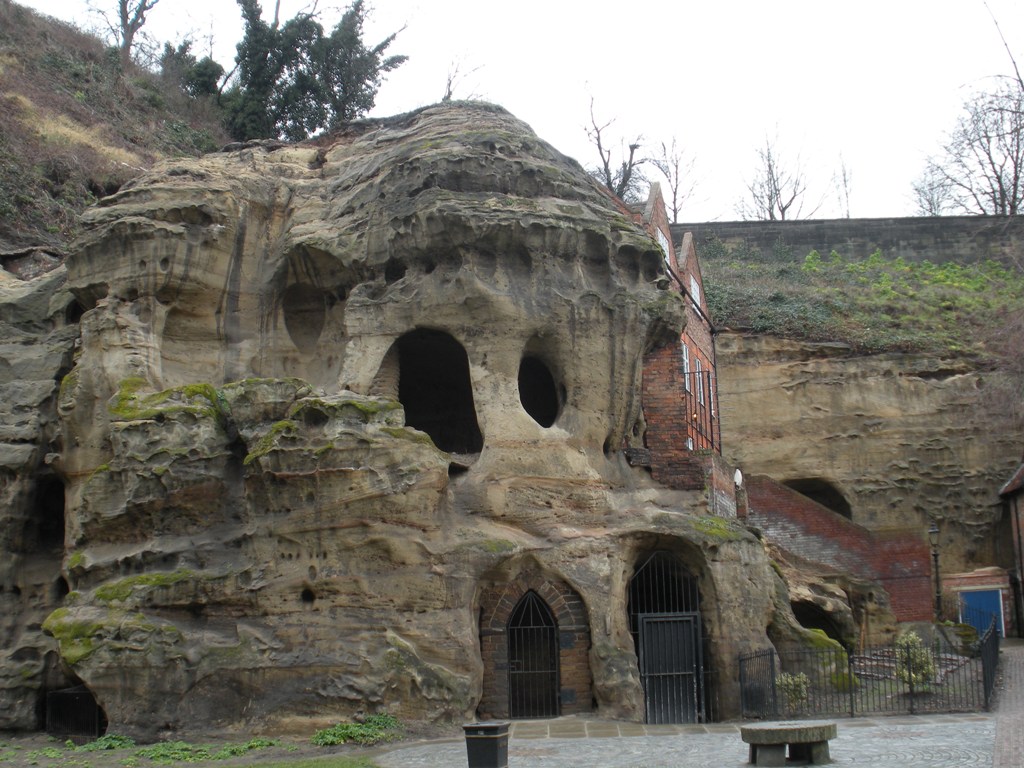 Visitors can explore the largest publicly accessible section of this vast subterranean network through guided tours and interactive experiences. The caves tell the stories of ordinary people who lived and worked underground for more than 1,000 years, creating a hidden city beneath the modern one above.
This unique attraction offers a glimpse into Nottingham’s lesser-known heritage, where ancient history meets modern tourism. From archaeological discoveries to visitor experiences, the City of Caves provides an unforgettable journey through time in one of England’s most surprising underground destinations.
Overview of the City of Caves Nottingham
Nottingham houses Britain’s largest underground cave network with over 800 caves beneath its streets. The City of Caves attraction provides public access to the most significant section of this ancient sandstone system that spans centuries of human use.
History and Origins of the Nottingham Caves
The caves beneath Nottingham date back to medieval times, with evidence of human habitation from the 11th century. People carved these spaces directly into the soft sandstone rock that lies beneath the city centre.
Early residents used the caves as homes for several centuries. Families lived in these underground dwellings well into the 19th century.
The caves served many purposes throughout history. They functioned as:
- Cellars for public houses and businesses
- Workshops for various trades
- Air raid shelters during World War II
- Tannery operations for leather production
Medieval inhabitants found the sandstone easy to carve but strong enough to create stable underground rooms. The caves maintained steady temperatures year-round, making them suitable for both living and storage.
Significance of the Underground Network
Nottingham’s cave system represents the UK’s most extensive urban underground network. Over 500 caves exist beneath the city centre alone, with the total number exceeding 800 throughout the wider area.
The City of Caves attraction showcases some of the oldest and best-preserved sections. Visitors can experience an adventure in history through guided tours led by actors in period costume.
The caves demonstrate centuries of urban development and social history. They reveal how ordinary people lived and worked underground when surface space was limited.
Archaeological significance makes these caves valuable for understanding medieval life. The preserved structures show building techniques and living conditions from hundreds of years ago.
Location and Accessibility
The City of Caves entrance sits at the rear of the former Broadmarsh Shopping Centre in Nottingham city centre. This location provides easy access to the underground network.
Visitors can choose between actor-led guided tours or self-guided audio tours. Both options allow exploration of the winding underground passages.
The attraction forms part of Nottingham’s ongoing city centre regeneration project. Plans aim to make the caves a signature feature of the new Broadmarsh development.
Opening times and accessibility:
- Located in central Nottingham
- Accessible from street level
- Multiple tour options available
- Part of larger redevelopment scheme
The caves connect to Nottingham’s tourism trail, linking with other historic attractions in the city centre.
Exploring the City of Caves Attraction
 The City of Caves attraction provides visitors with access to over 500 ancient sandstone caves beneath Nottingham city centre. This adventure in history spans centuries of human habitation, from Anglo-Saxon tunnels to medieval dwellings.
Key Features and Experiences
The City of Caves showcases more than 500 man-made sandstone caves carved beneath Nottingham’s streets. These caves date back to medieval times, with some reaching even earlier periods.
Visitors can explore original Anglo-Saxon tunnels that reveal how people lived underground for centuries. The caves served as homes from the 11th century through to at least the 19th century.
The attraction displays fascinating artefacts and medieval architecture throughout the cave network. Children particularly enjoy learning about how Nottingham residents lived in these underground spaces across different time periods.
The contrast between the modern city above and the ancient caves below creates a striking experience. Visitors descend from street level into dark depths that have remained largely unchanged for hundreds of years.
Key attractions include:
- Original sandstone cave formations
- Historical living spaces
- Medieval architecture features
- Archaeological discoveries
- Interactive displays
Guided Tours and Visitor Information
The City of Caves operates as part of the National Justice Museum in Nottingham. Visitors can purchase combination tickets for both attractions at discounted rates.
Actor-led tours provide engaging historical narratives about cave life. These guided experiences bring the underground world to life through storytelling and historical context.
Audio tours offer self-guided exploration options for those preferring independent visits. This format allows visitors to explore at their own pace whilst receiving detailed information.
Access to the caves is through the upper floor of Broadmarsh Shopping Centre. The entrance is located at the rear of the old shopping centre building.
Tours typically last between 45 minutes to one hour. Booking in advance is recommended, particularly during peak tourist seasons and school holidays.
Unique Structures Within the Caves
The cave network features labyrinthine passages carved directly from Nottingham’s natural sandstone rock. These tunnels connect multiple chambers that served different purposes throughout history.
Living quarters remain visible within the caves, showing how families adapted underground spaces for daily life. Stone-carved shelves, fireplaces, and storage areas demonstrate medieval domestic arrangements.
Industrial spaces reveal how caves supported early manufacturing activities. These areas show evidence of brewing, tanning, and other trades that utilised the caves’ consistent temperatures.
Well systems and drainage channels demonstrate sophisticated medieval engineering. These features highlight how residents managed water supply and waste disposal underground.
The caves maintain consistent cool temperatures year-round, typically between 11-13°C. This natural climate control made them valuable for both habitation and storage purposes.
Accessibility and Safety Guidelines
The caves maintain controlled lighting throughout visitor routes to ensure safe navigation. Well-defined pathways guide visitors through the underground network without confusion.
Temperature considerations are important for visitor comfort. The caves remain consistently cool, so warm clothing is recommended regardless of outside weather conditions.
Physical requirements include the ability to navigate uneven stone surfaces and low ceiling areas in some sections. Sturdy footwear with good grip is essential for safe exploration.
Children must remain supervised at all times due to the underground environment. The attraction provides specific safety guidelines for families with young visitors.
Group size limitations apply to guided tours to maintain safety standards and ensure quality visitor experiences. Advance booking helps guarantee space availability.
Historical Highlights and Notable Sites
 The City of Caves contains three distinct historical layers that showcase Nottingham’s evolution over centuries. These underground spaces served as workshops for medieval craftsmen, housed Victorian families in desperate conditions, and protected residents during wartime bombing raids.
Medieval Tannery
The medieval tannery represents one of the most fascinating industrial sites within the cave network. Craftsmen carved these chambers directly into the soft Sherwood Sandstone between the 13th and 15th centuries.
The caves provided ideal conditions for leather production. Cool temperatures and consistent humidity levels naturally preserved animal hides during the lengthy tanning process.
Multiple stone-carved vats still line the tannery walls today. These rectangular pools once held oak bark solutions used to transform raw hides into finished leather goods.
Workers accessed the tannery through narrow tunnel systems. They transported heavy materials using wooden pulleys and rope systems anchored to carved stone fixtures.
The tannery operated for over 200 years before declining trade moved leather production elsewhere. Archaeological evidence shows continuous use well into the Tudor period.
Victorian Slums of Drury Hill
 The Drury Hill caves housed some of Nottingham’s poorest residents during the 19th century. Entire families lived in single-room cave dwellings carved beneath the city streets.
Living conditions were extremely harsh. Poor ventilation, limited natural light, and constant dampness created unhealthy environments for residents.
Property records show that landlords charged weekly rents for these underground spaces. Many caves housed multiple families who shared cooking areas and sleeping quarters.
Children born in these caves rarely saw daylight during winter months. Adults worked in nearby lace factories whilst their families remained underground.
Public health reformers eventually condemned the cave dwellings in the 1840s. Most residents were relocated to purpose-built housing estates on Nottingham’s outskirts.
World War II Air Raid Shelters
The cave network became vital protection during German bombing raids between 1940 and 1945. Local authorities converted existing caves and excavated new tunnels to house civilians.
Over 400 people could shelter simultaneously in the connected cave system. Families brought blankets, food supplies, and personal belongings during extended air raid warnings.
The caves maintained comfortable temperatures year-round. This natural climate control proved essential during long winter nights when residents remained underground for hours.
Carved stone benches provided seating along the shelter walls. Battery-powered lighting systems illuminated the main passages and sleeping areas.
Many caves still display wartime graffiti and carved messages left by shelter users. These personal inscriptions provide direct connections to Nottingham residents who lived through the Blitz.
Connected Landmarks and Museums
The City of Caves operates as an integrated part of Nottingham’s National Justice Museum and connects to several historic landmarks throughout the city. These connections create a network of underground passages and historical sites that showcase over 1,000 years of local heritage.
National Justice Museum Integration
The City of Caves functions as a key component of the National Justice Museum in Nottingham. Visitors can purchase combined tickets that provide access to both the underground cave network and the museum’s main exhibits.
The museum manages the cave tours and maintains the underground spaces. Access to the caves begins from the upper floor of the Broadmarsh Shopping Centre, where the museum facilities are located.
Key Integration Features:
- Combined ticketing system
- Shared visitor facilities
- Connected historical narratives
- Joint educational programmes
The caves complement the museum’s focus on justice and legal history. Some underground spaces served as holding areas and storage for the historic courts above ground.
The National Justice Museum occupies Nottingham’s former courts and County Gaol buildings. This creates a natural connection between the underground cave system and the city’s legal heritage sites.
Ye Olde Trip to Jerusalem
Ye Olde Trip to Jerusalem sits directly above part of Nottingham’s cave network. The pub claims to be England’s oldest inn, dating back to 1189.
The building uses natural sandstone caves as cellars and storage areas. These caves connect to the broader underground network that includes the City of Caves attraction.
Visitors can see where the cave system extends beneath this historic establishment. The pub’s location demonstrates how Nottingham’s residents have used the underground spaces for centuries.
Cave Features at the Pub:
- Original sandstone cellars
- Medieval storage areas
- Natural rock formations
- Historic brewing spaces
The pub’s caves show the practical uses of Nottingham’s underground network. Local businesses carved these spaces for storage, workshops, and living areas throughout the medieval period.
Nottingham Castle Caves
Nottingham Castle sits atop the sandstone rock that contains the city’s extensive cave network. The castle grounds include several cave entrances and underground passages.
These caves served various military and storage purposes throughout the castle’s history. Some passages connected the castle to other parts of the city’s underground network.
The castle caves include Mortimer’s Hole, a famous passage that played a role in English royal history. This tunnel demonstrates the strategic importance of the underground network.
Castle Cave System:
- Mortimer’s Hole passage
- Medieval storage caves
- Defensive tunnels
- Royal escape routes
The castle caves operate separately from the City of Caves attraction. However, they form part of the same geological and historical underground network that runs beneath central Nottingham.
Visitor Experience and Supporting the City of Caves
The City of Caves offers flexible booking options and guided tours lasting 45 minutes. Visitors can support this historic attraction through donations and educational programmes that preserve Nottingham’s underground heritage.
Ticket Options and Booking
Tours at the City of Caves run for 45 minutes with staggered entry times. The attraction limits group sizes to ensure a comfortable experience in the confined underground spaces.
Weekday visitors receive an audio guide for their adventure in history. Weekend and school holiday tours include live tour guides who provide expert commentary on the caves’ fascinating past.
The caves are not wheelchair accessible due to their historic nature and underground location. Visitors should book in advance to secure their preferred time slot.
Booking Information:
- Weekdays: Audio-guided tours
- Weekends/holidays: Live guided tours
- Duration: 45 minutes
- Group size: Limited for comfort
- Accessibility: Not wheelchair accessible
Donations and Gift Aid
The City of Caves relies on visitor support to maintain and preserve Nottingham’s underground network. Donations help fund conservation work and educational programmes.
UK taxpayers can add Gift Aid to their donations. This allows the attraction to claim an additional 25% from the government at no extra cost to the donor.
Regular donations support ongoing maintenance of the 800+ cave network beneath Nottingham. These funds ensure future generations can explore this unique historical site.
Educational Programmes and Community Engagement
The City of Caves develops educational programmes for schools and community groups. These sessions teach local history and the caves’ role in Nottingham’s development over centuries.
School visits include curriculum-linked activities about medieval life and wartime Britain. Students learn about the caves’ use as air raid shelters during World War Two.
Community engagement programmes involve local residents in preserving cave heritage. Volunteers help with research projects and guided tour training.
The attraction partners with schools to create immersive learning experiences. These programmes bring history to life in the authentic underground setting.
Your journey matters to us. That’s why so many Nottingham residents choose Skylift Cars again and again.
Travel Smart This Summer
From airport runs and group outings to weddings and corporate events, Skylift Cars is ready to get you there in comfort and on time.
Don’t leave your travel to chance. Book ahead, save with our promo code, and experience Nottingham’s trusted taxi and transfer service.
Call us: 0115 990 2786
Email us: info@skyliftcars.co.uk
Book Online: Visit Booking Page