
- October 16, 2025
- Posted by: admin
- Category: Attractions
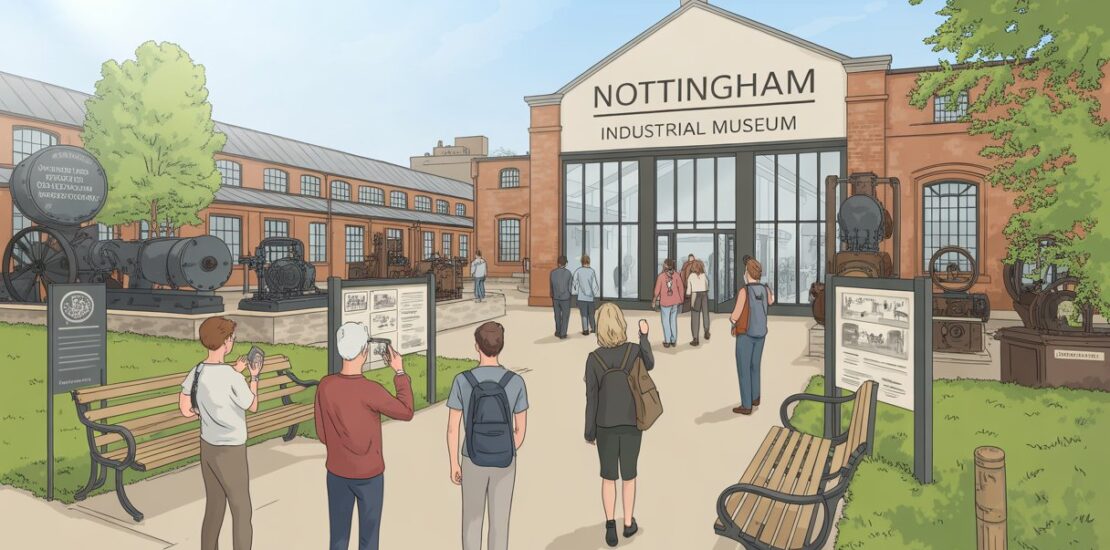
The Nottingham Industrial Museum sits within the historic grounds of Wollaton Hall, just three miles from Nottingham city centre. This volunteer-run museum houses an impressive collection of artefacts and machinery that tell the story of Nottingham’s industrial past.

The museum features five distinct galleries covering textiles, transport, communication, mining, and power industries that made Nottingham famous worldwide. Visitors can witness a restored leavers lace machine in action and experience the authentic sounds and smells of the city’s industrial heritage.
Whether planning a family day out or educational visit, the museum offers fascinating insights into the people and companies that positioned Nottingham at the heart of Britain’s Industrial Revolution. From Victorian engineering marvels to the intricate world of lace-making, this hidden gem provides an engaging journey through centuries of innovation and craftsmanship.
Why Visit Nottingham Industrial Museum
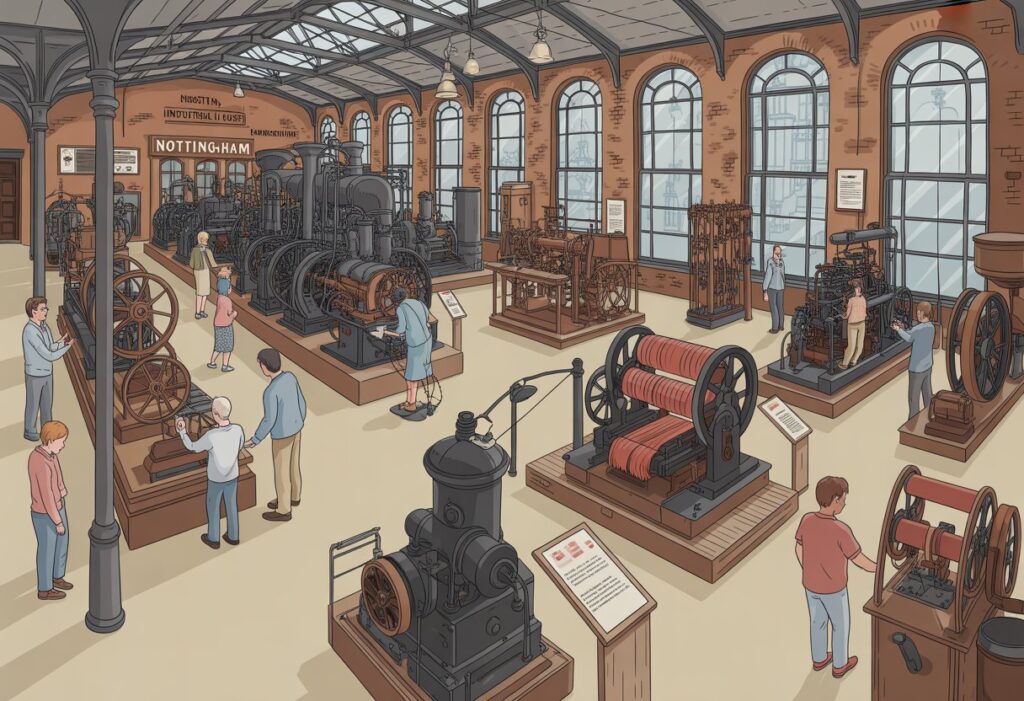
Nottingham Industrial Museum showcases five decades of the city’s industrial past through working machinery, authentic artifacts, and volunteer expertise. The museum ranks fourth among Nottingham’s top attractions and preserves the stories of local industries that shaped the region.
Highlights of the Collection
The museum houses an impressive array of working industrial machinery that brings history to life. Visitors can witness a restored leavers lace machine in operation and experience the authentic sounds and smells of the lace industry.
Key machinery includes:
- RW Hawthorn beam engine (working condition)
- Pair of Fowler ploughing engines
- Original Thomas Humber bicycle
- Various steam and diesel engines
The collection spans multiple industries through five specialised galleries:
- Textiles – showcasing Nottingham’s famous lace-making heritage
- Transport – featuring historical vehicles and equipment
- Communication – exploring technological advances
- Mining – highlighting the region’s coal industry
- Power – demonstrating industrial energy systems
Each gallery contains authentic equipment and detailed exhibits. The textile section particularly stands out with demonstrations of traditional lace-making processes that made Nottingham globally renowned.
Celebrating Nottingham’s Industrial Heritage
The museum preserves the stories of people and companies that established Nottingham as an industrial powerhouse. Visitors discover how local entrepreneurs and skilled workers positioned the city at the heart of the Industrial Revolution.
Nottingham’s industrial heritage encompasses several key sectors. The lace industry brought international fame to the city during the Victorian era. Coal mining provided essential energy for industrial growth across the region.
Transport innovations emerged from local engineering expertise. Communication technologies developed alongside industrial expansion throughout Nottinghamshire.
The museum demonstrates how these industries interconnected to create economic prosperity. Historical artifacts reveal the ingenuity and craftsmanship of local workers who built global reputations for quality and innovation.
Volunteer Contributions
Dedicated volunteers manage every aspect of museum operations, from daily administration to special events. Their expertise and passion create engaging experiences for all visitors.
Volunteers possess extensive knowledge about industrial processes and local history. They provide detailed explanations of machinery operations and answer technical questions about historical equipment.
The museum operates Saturdays, Sundays, and Bank Holidays entirely through volunteer efforts. These committed individuals maintain working engines, organise exhibitions, and conduct guided tours.
Their personal enthusiasm for industrial heritage enhances visitor experiences significantly. Many volunteers bring professional backgrounds in engineering or local industry, adding authentic insights to museum presentations.
Key Exhibits and Galleries

The museum houses five themed galleries covering textiles, transport, communication, mining and power, each showcasing Nottinghamshire’s industrial heritage. Notable exhibits include working beam engines, original bicycles, and interactive demonstrations that bring history to life.
Beam Engine and Steaming Day Experiences
The Basford Beam Engine stands as one of the museum’s most impressive exhibits. This massive working steam engine demonstrates the power that drove Nottingham’s industrial revolution.
Visitors can experience the engine in action during monthly steaming days. These events take place on the last Sunday of each month. The engines come alive with authentic steam and sound.
The museum also features Fowler ploughing engines and an RW Hawthorn beam engine. These machines showcase different types of steam power used across various industries.
During steaming days, the museum often offers ‘Taste of History’ experiences in the Victorian Kitchen. This adds context to how steam power changed daily life in industrial times.
Textiles: The Story of Nottingham Lace
Nottingham became world-famous for its lace industry. The textiles gallery tells this important story through original machinery and examples.
Bobbin lace demonstrations happen on the first Sunday of each month. Visitors can try their hand at this intricate craft. Expert volunteers show traditional techniques passed down through generations.
The gallery displays the evolution of textile production. From hand-crafted methods to industrial machinery, exhibits show how Nottingham led innovation in fabric manufacturing.
Original lace-making equipment demonstrates the skill required for this delicate work. The displays explain how this industry employed thousands of local people.
Transport and Engineering: Thomas Humber Bicycle
The Thomas Humber bicycle represents Nottingham’s contribution to transport history. This original bicycle shows early engineering excellence from a local company.
Humber became a household name in cycling before expanding into motorcycles and cars. The exhibit explains how Nottingham companies shaped modern transport.
The transport gallery covers railways, bicycles, and motorcycles. Each section shows how local engineering skills created global brands.
Visitors learn about the workers and companies behind these innovations. Interactive displays explain the technical advances that made Nottingham transport famous worldwide.
Victorian Life and Hands-On Displays
The museum brings Victorian industrial life into focus through practical displays. The Victorian Kitchen operates during special events, showing daily life from the period.
Interactive exhibits let visitors engage with historical technology. Children and adults can operate replica machinery under supervision.
The Power Gallery explores energy sources from water power to early electrical systems. Working displays show how power generation evolved during the industrial age.
Knowledgeable volunteers throughout the museum share stories and answer questions. Their passion for local history enhances every visit through personal insights and detailed explanations.
Planning Your Visit
The Nottingham Industrial Museum operates specific opening hours and offers free admission to all visitors. The museum sits within the grounds of Wollaton Hall and Deer Park, making it easy to combine with other attractions in the area.
Opening Times and Entry Fees
The Nottingham Industrial Museum welcomes visitors throughout the week with set opening hours. Visitors should check current opening times before travelling as these may vary seasonally.
Entry to the museum is free of charge for all visitors. This makes it an excellent value attraction for families and groups exploring Nottingham’s industrial heritage.
The museum operates as a registered charity. It relies on dedicated volunteers who manage daily operations and enhance the visitor experience through their knowledge and passion for local history.
Directions and Parking
The museum is located within Wollaton Park, in the grounds surrounding Wollaton Hall. This historic setting provides easy access for visitors travelling by car or public transport.
Parking is available on-site within Wollaton Park. The park offers ample parking spaces for visitors exploring both the Industrial Museum and the surrounding attractions.
Nottingham city centre connects to Wollaton through regular bus services. Several bus routes serve the area, making public transport a convenient option for those without cars.
The museum’s location within the deer park means visitors can easily walk between attractions. The beautiful parkland setting adds to the overall experience of the visit.
Group Visits and Educational Tours
The museum actively encourages school visits and educational group bookings. Teachers and group leaders should arrange visits in advance to ensure the best possible experience for their students.
Educational tours focus on Nottingham’s rich industrial heritage. The museum showcases local manufacturing history, including traditional industries that shaped the region’s development.
Knowledgeable volunteers lead group sessions and provide detailed insights into the exhibits. Their expertise helps bring the industrial history to life for visitors of all ages.
Group leaders should contact the museum directly to discuss specific requirements. This advance planning ensures tours meet educational objectives and accommodate group sizes effectively.
Events and Steaming Days
The museum hosts regular monthly steaming events where visitors can witness historic engines in full operation, alongside special demonstrations that showcase traditional crafts and industrial processes.
Monthly Steaming Sundays
The museum runs Steaming Days on the last Sunday of every month from 11am to 4pm. The last entry is at 3:30pm.
During these events, visitors can see the impressive Basford Beam Engine in action. This historic engine once supplied water to Nottingham city and demonstrates the power of Victorian engineering.
The Fowler ploughing engine also operates during these sessions. Visitors can watch it generate steam whilst chatting with knowledgeable volunteers.
Key Details:
- When: Last Sunday monthly
- Time: 11am – 4pm
- Last entry: 3:30pm
- Location: Engine Hall at Wollaton Park
The Engine Hall contains heritage engines dating back to the Industrial Revolution. These working exhibits show how steam and diesel engines once powered Britain’s factories.
Interactive Family Activities
Families can explore hands-on activities throughout the museum during steaming events. The Victorian Kitchen offers a ‘Taste of History’ experience when engines are in steam.
Children particularly enjoy watching the mechanical processes in action. The museum’s volunteers explain how different engines work in simple terms.
First Sunday Activities:
- Bobbin lace demonstrations
- Hands-on lace making sessions
- Traditional craft workshops
These interactive elements help visitors understand daily life during Nottingham’s industrial past. The demonstrations show traditional skills that local workers once used.
Special Demonstrations and Working Exhibits
Beyond steaming events, the museum showcases Nottingham’s industrial heritage through various working displays. Textile machinery demonstrations reveal the city’s famous lace manufacturing history.
Transport exhibits include vintage motor vehicles and engineering equipment. Telecommunications displays show how communication technology developed over time.
Volunteers operate different machines throughout opening hours. They share stories about the workers who once used these tools daily.
The museum’s collection spans multiple industries that shaped Nottingham. Coal mining, textiles, communications, and engineering all feature in the exhibits.
Regular demonstrations help preserve traditional skills and knowledge. Visitors learn about the people behind Nottingham’s industrial success.
Location and Facilities
The museum sits within the historic grounds of Wollaton Hall, approximately three miles from Nottingham city centre on the western edge of the city. Visitors can access various amenities and explore the surrounding 500-acre parkland during their visit.
Situated at Wollaton Hall
The Nottingham Industrial Museum occupies the 17th-century stable block of Wollaton Hall. This historic building provides an authentic setting for the industrial heritage displays.
The museum’s location within Wollaton Hall creates a unique contrast. Visitors experience industrial history housed within elegant period architecture.
Getting There:
- 3 miles from Nottingham city centre
- Located on the western edge of Nottingham
- Situated within Wollaton Hall grounds
- Accessible by car and public transport
The stable block setting adds character to the museum experience. The building’s original features complement the industrial exhibits displayed throughout the galleries.
On-Site Amenities and Accessibility
The museum provides basic visitor facilities suitable for families and school groups. Volunteers staff the museum and offer guided assistance to visitors.
Opening Times:
- Saturdays: Open
- Sundays: Open
- Bank Holidays: Open
- Weekdays: Closed
The museum caters specifically to educational visits. School groups receive encouragement to arrange advance visits for optimal planning.
Volunteer guides remain available throughout opening hours. They provide detailed information about exhibits and answer visitor questions.
The museum’s accessibility features accommodate various visitor needs. The location within the historic stable block may present some limitations for mobility-impaired visitors.
Exploring Wollaton Park and Surroundings
Wollaton Park encompasses 500 acres of parkland surrounding the museum. This expansive green space offers additional activities beyond the museum visit.
The park features deer herds roaming freely across the grounds. Visitors often spot these animals during their walk to and from the museum.
Park Activities:
- Walking trails throughout the grounds
- Deer watching opportunities
- Picnic areas for families
- Photography locations
Wollaton Hall itself stands as a significant attraction within the park. The Elizabethan mansion houses natural history collections separate from the industrial museum.
The parkland provides ample space for children to explore safely. Families often extend their museum visit into a full day out within the park grounds.
The combination of industrial heritage and natural parkland creates a diverse visitor experience. The contrast between machinery displays and open countryside appeals to different interests within the same location.
Frequently Asked Questions
The Nottingham Industrial Museum operates on weekends with volunteer-run tours available throughout opening times. The museum features five main galleries covering textiles, transport, communication, mining, and power industries that made Nottingham famous worldwide.
What are the opening hours for the Nottingham Industrial Museum?
The museum is open on Saturdays, Sundays, and Bank Holidays. It operates entirely through dedicated volunteers who are available during opening times.
Visitors should check current seasonal hours before travelling. The museum may have special opening times during events or maintenance periods.
Can you detail the admission fees for the Nottingham Industrial Museum?
Specific admission fees are not detailed in available information. Visitors should contact the museum directly for current pricing.
The museum operates as a volunteer-run organisation. This may influence their pricing structure compared to commercial attractions.
Are there guided tours available at the Nottingham Industrial Museum, and how can they be booked?
Volunteers are available throughout the museum to show visitors around and answer questions. These knowledgeable guides provide information about the exhibits and local industrial history.
Tours appear to be included with museum entry rather than requiring separate booking. The volunteer staff can provide detailed explanations of the collections during visits.
What are the main exhibits currently on display at the Nottingham Industrial Museum?
The museum houses five main galleries covering key Nottinghamshire industries. These include textiles, transport, communication, mining, and power.
The collection features working steam and diesel engines. Visitors can see textile machinery that demonstrates technological advances from Nottingham’s lace and textile heritage.
Mining tools and transport artefacts connect to the broader industrial landscape of Nottinghamshire. The museum also hosts regular steaming events with live demonstrations.
Is the Nottingham Industrial Museum accessible for visitors with disabilities?
Specific accessibility information is not detailed in available sources. The museum is located in a 17th century stables block at Wollaton Hall.
Visitors with accessibility requirements should contact the museum directly before visiting. This ensures they can provide accurate information about current facilities and access arrangements.
Are there any educational programmes or workshops offered by the Nottingham Industrial Museum for school groups?
The museum actively encourages school visits and offers educational experiences. They recommend teachers visit in advance to plan how to make the most of student visits.
The collection allows students to investigate Nottinghamshire’s industrial heritage through hands-on learning. Volunteer guides are available to support educational visits with expert knowledge of local industrial history.
Travel in Comfort with Skylift Cars
Make the most of your time in Nottingham without the stress of transport. Skylift Cars offers:
-
Local taxi services in Nottingham
-
Airport transfers
-
Reliable chauffeur services for events and business trips
📧 Email: info@skyliftcars.co.uk
📞 Phone: 0115 990 2786
✨ Enjoy everything Nottingham has to offer this September with Skylift Cars—your trusted travel partner in the city.