
- May 21, 2025
- Posted by: admin
- Category: Blog
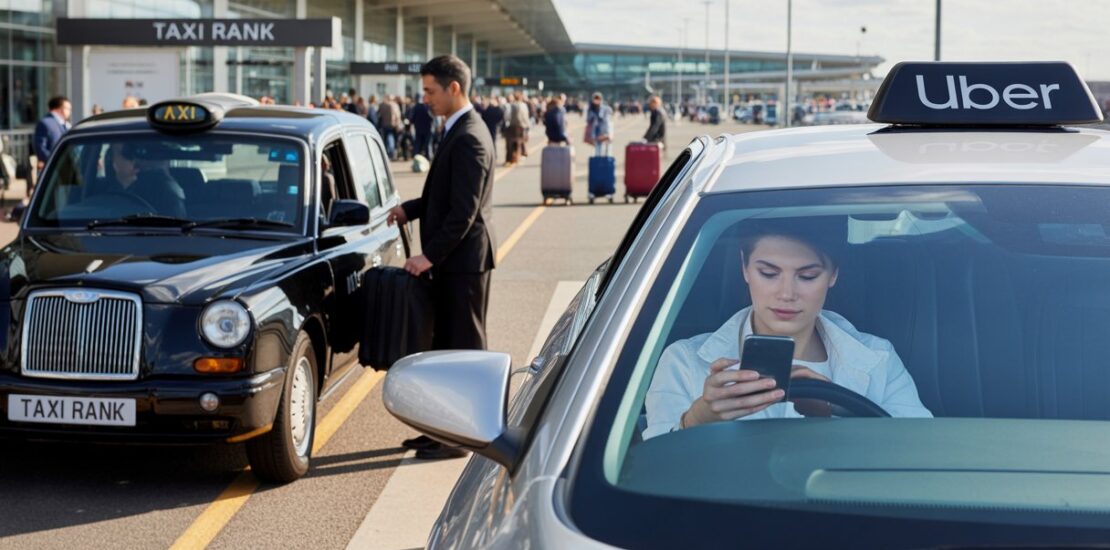
Choosing between an airport taxi and Uber in the UK can affect the start of any journey. Each option comes with different pros and cons involving price, convenience, and reliability. For most travellers, Uber tends to be cheaper while airport taxis may offer faster pickups and more predictable service, especially during busy times.
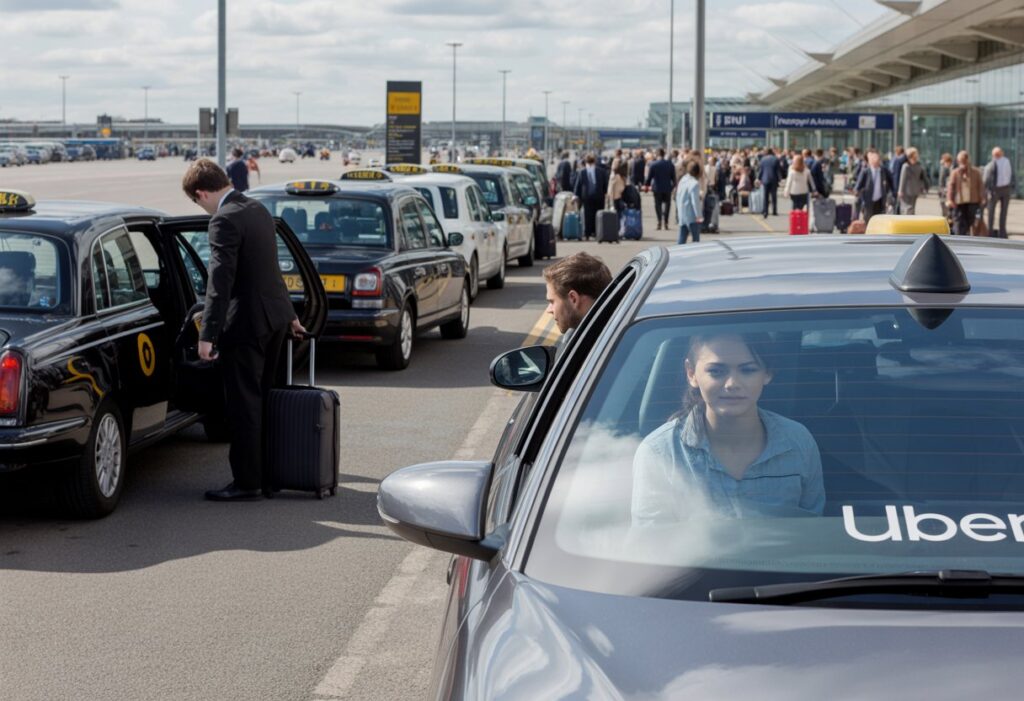 Those arriving or departing from airports like Heathrow or Gatwick often wonder if it’s worth saving money with a rideshare or paying extra for a traditional taxi. With both options widely available, travellers need to decide what matters most—cost, speed, or pre-booking peace of mind.
Knowing the key differences can help people pick the right ride for their needs and budget. This guide explores the important things to consider when choosing between an airport taxi and Uber in the UK.
Comparing Airport Taxis and Uber for UK Airport Transfers
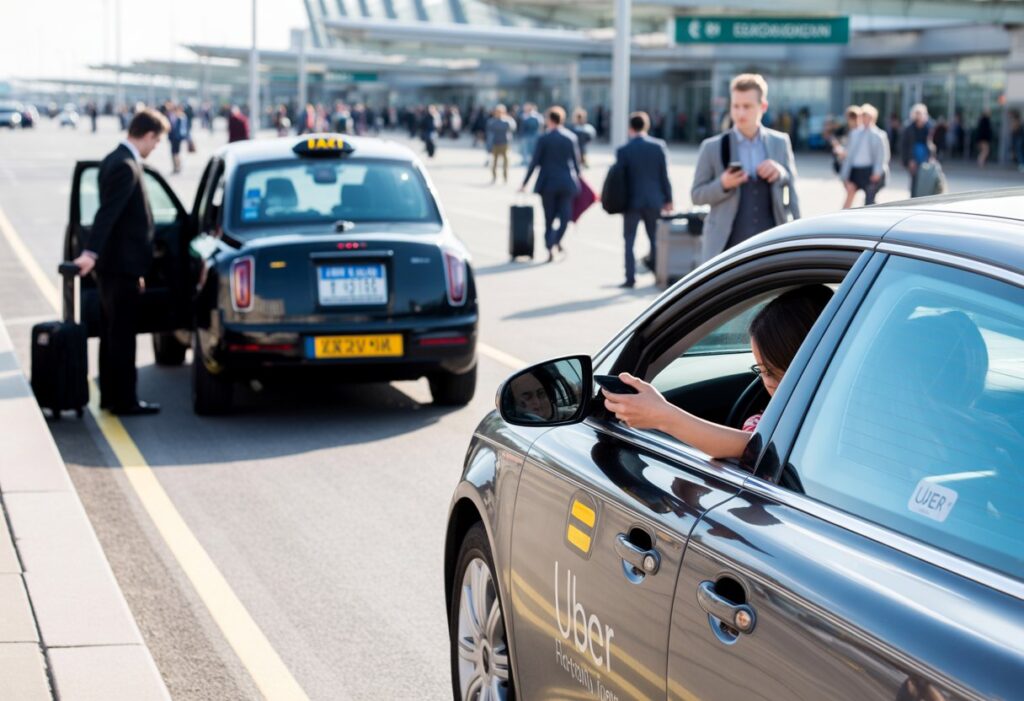 Travellers to and from UK airports often need to choose between booking an airport taxi or using Uber. Key differences include pricing, reliability, and the booking process, especially at busy airports like London Gatwick or Heathrow.
Overview of Available Services
Both airport taxis and Uber offer convenient ways to get to or from airports such as Gatwick, Heathrow, Stansted, and Luton. Airport taxis usually have a dedicated rank outside terminals and can be pre-booked with fixed fares. These cars are licensed and operated by local councils, ensuring clear pricing and vetted drivers.
On the other hand, Uber operates as a ride-hailing service via a mobile app. It offers several car categories, from UberX to UberXL, letting passengers choose the car size they need. Fares are not fixed and can change, especially during busy times or high demand.
Passengers using Uber may need to meet their driver in a designated pick-up area, not directly outside the terminal doors. This can sometimes add walking distance, depending on the airport’s layout.
Private Hire Companies and How They Operate
A private hire company provides pre-booked cars with licensed drivers. These companies handle most airport transfers outside traditional black cabs. Passengers can book online or by phone and get confirmation of the fare before travelling, which helps avoid surprises.
Private hire vehicles cannot legally pick up passengers without a booking. This makes journeys safer and more predictable, as only approved bookings are allowed. Most companies track flights and adjust pick-up times if there are delays, providing extra peace of mind for travellers.
Many private hire operators offer meet-and-greet services. The driver will wait inside the arrivals area with a sign, which is common at airports like Heathrow and Gatwick. Some private hire firms also offer child seats or extra luggage space if requested in advance.
Serving London Gatwick and Major UK Airports
Gatwick, Heathrow, Stansted, and Luton are among the UK’s busiest airports. Dedicated airport taxi services and private hire companies serve all these locations, providing reliable point-to-point transfers.
Each airport has specific policies for ride-hailing services like Uber. For example, at Heathrow and Gatwick, Uber drivers pick passengers up at set locations, not directly outside arrivals. This may be less convenient if travelling with heavy bags or after a long flight.
Fixed-fee airport taxis often appeal to families or groups with lots of luggage. Meanwhile, Uber might be cheaper for short trips, depending on current app fares. Below is a quick comparison:
| Airport | Taxi Rank Available | Private Hire Available | Uber Pickup Location |
|---|---|---|---|
| Heathrow | Yes | Yes | Special pickup bays |
| Gatwick | Yes | Yes | Short stay car park area |
| Stansted | Yes | Yes | Express Set Down |
| Luton | Yes | Yes | Pickup Zone |
Both taxis and Uber are regulated, but local rules and the airport’s own policies can affect how and where travellers meet their car. For smooth journeys, it is best to check each airport’s website for the latest pick-up details.
Pricing and Transparency
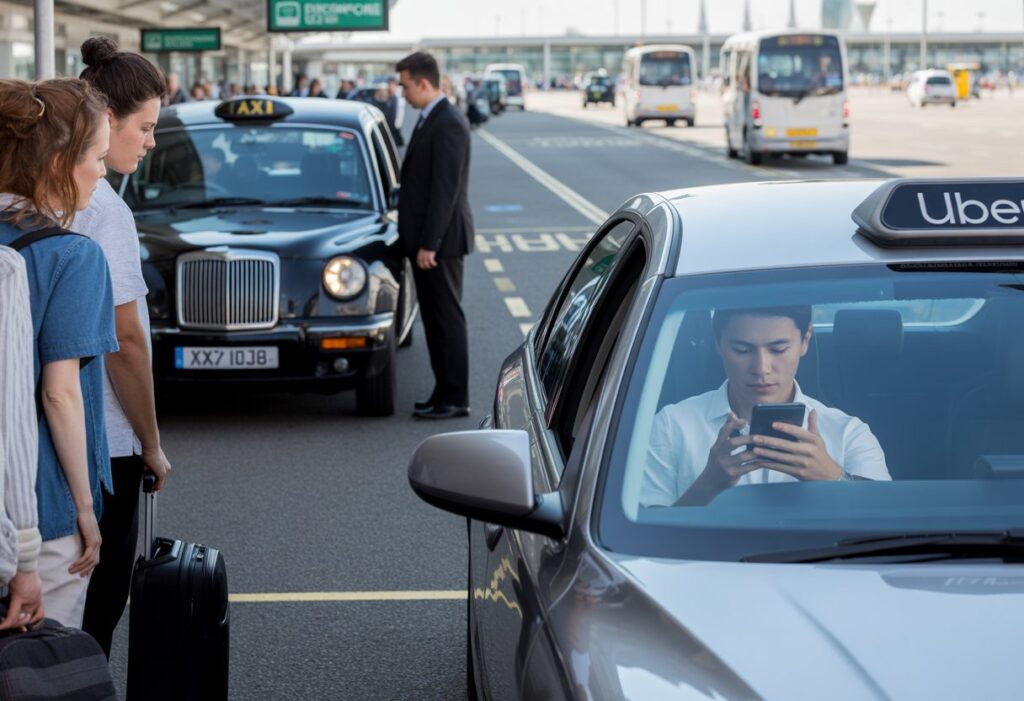 Pricing differences between airport taxis and Uber depend on the way each service calculates fares and how costs are displayed to passengers. Many travellers want to know if their final price will match what was quoted, and if there may be extra costs during the journey.
Fixed Rates Versus Variable Pricing
Airport taxis in the UK often use fixed rates for rides to and from major airports. This means passengers see the whole cost upfront and know exactly what they will pay. These fixed fares help avoid confusion if the route changes or if traffic is heavy.
Uber, however, uses a variable pricing model. The ride fare can change based on factors like demand, traffic, and trip length. During busy times, surge pricing applies, which may raise the cost well above the base fare. Some passengers find this less predictable.
Comparison Table:
| Service | Price Model | Example Scenario |
|---|---|---|
| Airport Taxi | Fixed | £30 flat fare to airport |
| Uber | Variable | £18–£40, depending on demand |
Uber may seem cheaper during off-peak times but can cost more during rush hour or special events.
Avoiding Hidden Fees
Many airport taxis in the UK show their fees clearly. The quoted price usually includes waiting time, luggage, and airport pick-up charges. Customers are less likely to face extra charges unless they specifically request extra stops or special services.
Uber calculates total fare in the app, but users should check for possible additional charges. These could include booking fees, airport fees, or waiting charges if passengers delay getting into the car.
Key considerations:
- Airport taxis: Little risk of hidden fees; price is given before starting.
- Uber: Possible extra fees may appear if circumstances change mid-ride.
It is important for travellers to review the price breakdown before confirming their ride, whether using Uber or booking an airport taxi. Transparent pricing prevents surprises at the end of the journey.
Service Experience and Reliability
 Airport taxis and Uber offer different experiences when it comes to customer service and reliability. The quality of drivers, their professionalism, and how dependable the service is can affect a traveller’s journey, especially during time-sensitive airport transfers.
Professional Drivers and Service Standards
Most airport taxi services in the UK employ licensed professional drivers. These drivers often have special training, a thorough understanding of local areas, and must pass background checks set by local councils. Their cars are also regularly inspected for safety and cleanliness.
Uber drivers use their own vehicles and are classed as private hire. They must pass checks too, but training and knowledge can vary widely. While many Uber drivers provide excellent service, it is not as consistent or regulated as traditional airport taxi firms.
Professional drivers in airport taxis tend to offer higher standards of service. They are expected to help with luggage and follow formal dress codes. This gives passengers confidence in the professionalism and safety of the ride.
Punctuality and Reliability
Punctuality is crucial for airport journeys. Airport taxis are often booked in advance and give clear arrival times, prioritising to be on time for pick-ups and drop-offs. These companies monitor flight times and adjust schedules for delays.
Uber rides depend on real-time availability, which can sometimes mean longer waits during busy times or in remote areas. While some find Uber quick, there is less certainty that a car will be available exactly when needed, especially late at night or during peak periods.
Airport taxis focus on reliability and timeliness. Passengers usually know who their driver will be in advance, helping to reduce anxiety and helping trips run smoothly. This consistency is a key reason many travellers choose airport taxis for important journeys.
Practical Considerations for Travellers
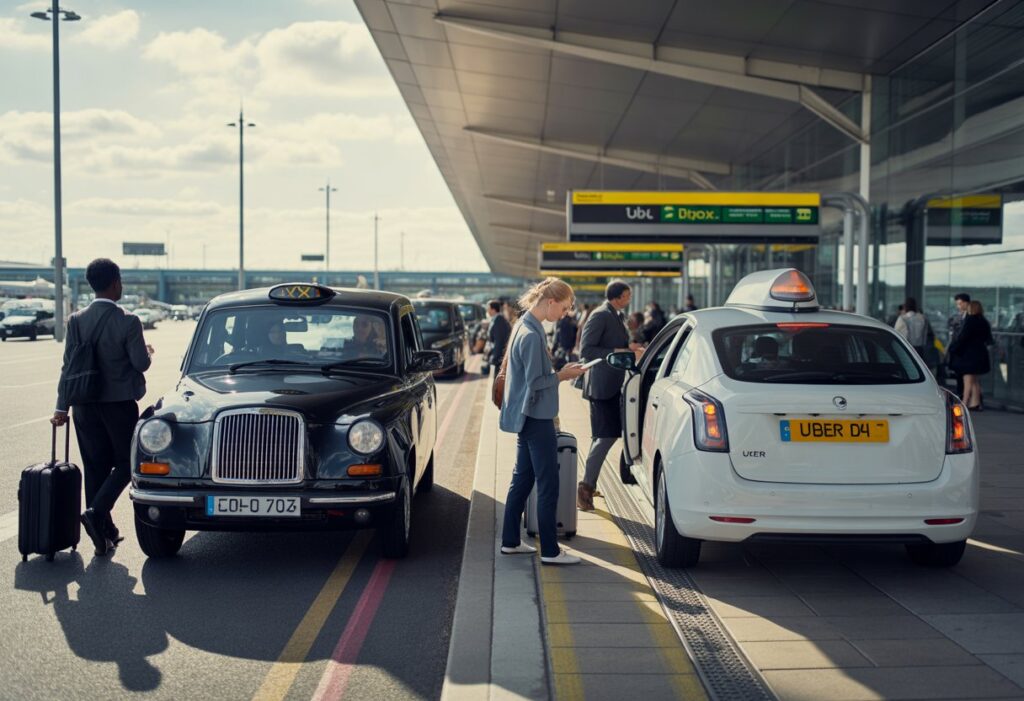 Navigating airports in the UK can be stressful, especially when deciding between a taxi and Uber. Key factors involve where to meet your driver, what to expect in the arrivals hall, handling baggage delays, and how each service deals with flight changes.
Taxi Ranks and Pick-Up Locations
Most major UK airports have dedicated taxi ranks located just outside the arrivals hall. Licensed black cabs line up in designated bays, making it easy for travellers to spot and board a taxi without much searching. These taxis are often managed by airport staff, and queues tend to move quickly, especially during off-peak hours.
Uber and other ride-hailing services usually have specified pick-up zones. These zones are often signposted but may require a short walk from the terminal, sometimes involving lifts or escalators. Instructions for the pick-up location are provided in the Uber app, which can help first-time users.
On busy days, both taxi ranks and ride-hailing pick-up areas may get crowded. Taxis, being fixed in place, are generally easier for those unfamiliar with the airport layout. Uber drivers may change their location or face delays due to traffic within the airport grounds.
Arrivals Hall Procedures
On arrival, passengers leaving the baggage reclaim area enter the arrivals hall, where licensed taxis can be accessed directly outside the terminal. Taxi services are straightforward—there is no need for pre-arrangement. Passengers can simply join the queue at the taxi rank.
Uber requires a booking through the app before reaching the pick-up area. Users must input their destination and request a ride after collecting their belongings. The app provides the car’s registration, make, and driver details, ensuring travellers know exactly who to meet.
In some airports, airport staff may help direct passengers to the correct pick-up spots for both taxis and Uber. Signs and digital boards inside the arrivals hall often provide information on where to go for each service.
Baggage Reclaim and Waiting Policy
Baggage reclaim can be unpredictable, with suitcases often delayed during peak hours. Airport taxis do not require prior booking and wait outside, so passengers can take their time collecting their bags without worrying about missing their ride.
Uber drivers usually arrive at the airport only after the passenger requests a ride. If baggage reclaim takes longer than expected, passengers may need to wait after requesting their Uber, as the vehicle will only be despatched once the request is made.
Some private taxi services offer pre-booked airport pickups and monitor arrival times, staying updated if bags take longer. For Uber, a short grace period is offered, but drivers may charge waiting fees or leave if the passenger takes too long.
Comparison Table: Waiting Policy
| Service Type | Waits Automatically | Charges Waiting Fees | Can Pre-Book |
|---|---|---|---|
| Airport Taxi | Yes | Usually not | Not needed |
| Uber | No (on request) | Yes (after grace) | Yes (via app) |
| Private Taxi | Yes (if booked) | Varies | Yes |
Flight Tracking Capabilities
Private taxi firms often use flight tracking systems. This means if a flight is early or delayed, the driver adjusts the pick-up time, leading to less waiting and less stress for the traveller. Passengers do not need to update their driver themselves.
With Uber, flight tracking capabilities are more limited. Although some features exist through Uber’s app or in airports where partnerships are in place, most drivers do not monitor live flight information. The ride is usually only dispatched once the user requests it after landing.
If a flight lands at a different time than scheduled, passengers may have to wait if there are not enough Uber drivers near the airport. In contrast, pre-booked taxi drivers are generally aware of flight changes and will adjust their arrival accordingly. Travellers who want peace of mind may prefer a taxi firm that automatically tracks flights.
Vehicle Options and Special Requests
Travellers often have different needs when getting to or from UK airports. Vehicle type and the ability to handle special requests can affect comfort, costs, and the overall experience.
MPVs and Minibuses for Group Travel
When travelling with a group or with large amounts of luggage, standard cars may not be suitable. Many airport taxi firms in the UK offer MPVs (multi-purpose vehicles) and minibuses that can seat between 5 to 16 passengers. These vehicles are designed for small groups, families, or business teams.
Uber offers options such as UberXL, which fit up to 6 passengers, but does not always guarantee availability of larger vehicles or minibuses, depending on location and time. Airport taxi companies are more likely to have a fleet that includes a wider range of vehicles for group travel.
Booking a minibus or MPV through a taxi firm is usually done in advance. This helps avoid last-minute issues with space and ensures that everyone and their luggage will fit comfortably.
| Vehicle Type | Seats | Uber Availability | Taxi Firm Availability |
|---|---|---|---|
| Standard Saloon | 4 | Common | Common |
| MPV | 5-7 | Sometimes* | Common |
| Minibus | 8-16 | Rare | Often |
*Availability depends on demand and area.
Managing Special Requirements
Some passengers require extra support, such as wheelchair access, child car seats, or help with additional luggage. Most airport taxi services in the UK allow customers to request these features when booking. Many have specially adapted vehicles and trained drivers.
Uber’s platform has options like “Assist” in select cities, but these may not be available everywhere and options can be limited. Taxis can also arrange pickups for people with mobility concerns and often fulfil specific needs like multiple child seats or pet-friendly travel, which is important for families.
Taxi firms are usually more flexible with special requests and often provide phone support to confirm details. With Uber, riders rely on the availability of the right driver and must specify needs through the app, which may not always guarantee fulfilment.
Important requests to consider:
- Wheelchair accessible vehicles
- Child or baby seats
- Extra luggage capacity
- Pet-friendly rides
- Help with elderly or disabled passengers
Choosing a service with proven experience in handling special requests can make the airport transfer easier and less stressful.
Why Uber may be a weaker choice than Skylift Cars for Nottingham airport transfers
For long-distance airport transfers from Nottingham to major airports such as Heathrow, Gatwick, Manchester, Birmingham, or East Midlands, choosing Uber can come with several disadvantages compared with a dedicated airport transfer company like Skylift Cars.
1. Unpredictable pricing
- Surge pricing can make costs jump unexpectedly.
Uber fares change with demand, traffic, weather, and time of day. A trip booked during busy periods can cost significantly more than the estimate you first see.
- Final fare may differ from the quoted estimate.
Tolls, waiting time, route changes, and traffic delays can increase the total price after the journey ends.
2. Less certainty for airport travel
- Drivers are not specifically airport-transfer specialists.
Many Uber drivers mainly handle short local rides. They may be less experienced with long motorway journeys, airport terminals, or flight-tracking logistics.
- No guaranteed pickup reliability.
A driver can cancel shortly before pickup, especially for very early morning or long-distance trips. That can create stress when you need to reach the airport on time.
- Limited flight monitoring and waiting support.
Dedicated airport transfer firms often track flights and adjust pickup times for delays. Uber generally does not provide that level of coordinated service.
3. Lower consistency in service quality
- Vehicle quality varies.
The car you receive depends on the individual driver and service tier. Cleanliness, luggage space, comfort, and professionalism can differ from one ride to another.
- Less personalised customer service.
Uber operates through an app-based support system, which can be slower or less tailored when resolving issues like lost items, itinerary changes, or special requests.
4. Potentially less suitable for groups and luggage
- Luggage capacity is not guaranteed.
Standard Uber vehicles may struggle with multiple suitcases or larger groups, and drivers can refuse trips if the luggage does not fit safely.
- Child seats and special requirements are harder to arrange.
Dedicated transfer companies are more likely to confirm extras such as child seats, meet-and-greet service, or specific vehicle types in advance.
5. Reduced accountability for scheduled journeys
- Uber is designed for on-demand rides, not guaranteed bookings.
Even when you schedule a ride, Uber does not guarantee that a driver will accept it until close to the pickup time.
- Less direct communication.
With a transfer company like Skylift Cars, you can usually contact the office or driver directly for updates and coordination. Uber communication is limited to the app.
6. Comfort and professionalism on long journeys
- Long-distance travel may feel less comfortable.
Airport transfers from Nottingham to London airports can take several hours. Dedicated transfer services often use executive-style vehicles better suited to extended journeys.
- Drivers may not offer business-style service.
Professional transfer companies typically emphasise punctuality, courteous assistance with luggage, and a quieter, more polished travel experience.
Bottom line
Uber is convenient for short, spontaneous trips around town, but for important airport transfers from Nottingham to major airports, it can introduce uncertainty around price, pickup reliability, vehicle suitability, and overall service quality. A specialist transfer provider such as Skylift Cars is generally better positioned to offer fixed pricing, scheduled reliability, flight monitoring, appropriate vehicles, and a more consistent long-distance travel experience.